
Optimal Timing for Tree Removals
Determining the optimal time for tree removals depends on various factors including tree health, seasonality, and safety considerations. Proper timing can minimize risks and ensure the health of surrounding vegetation. Typically, late fall and winter are considered ideal for removals due to dormancy in many tree species, which reduces stress and recovery time.
Tree removal during winter minimizes damage to surrounding plants and reduces pest activity. The trees are dormant, making removal easier and less stressful for the landscape.
Tree removals in spring and summer may disrupt active growth and pose higher risks of pest spread. However, these seasons are sometimes necessary for emergency removals or safety reasons.
Fall offers a moderate window for removals, with trees preparing for dormancy. This timing can reduce stress on remaining vegetation and facilitate easier cleanup.
Avoid removals during extreme weather conditions such as heavy rain, snow, or high winds to ensure safety and effectiveness.
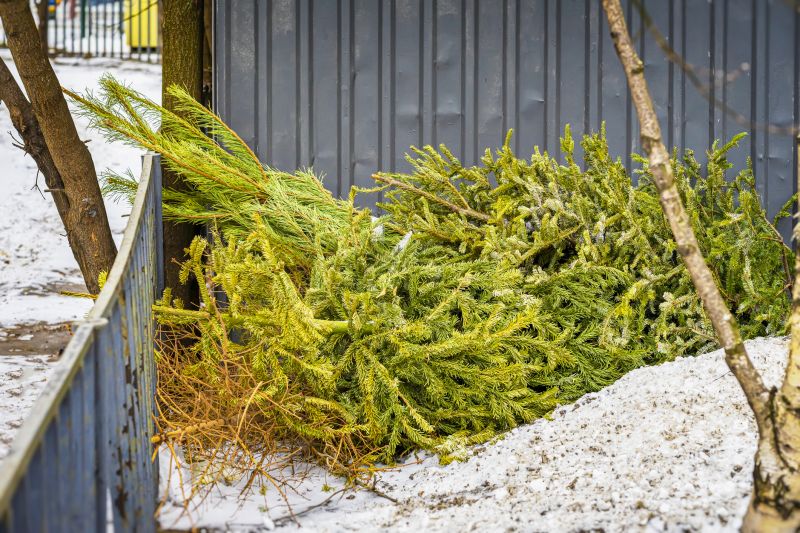
Tree removal during winter with snow-covered trees.
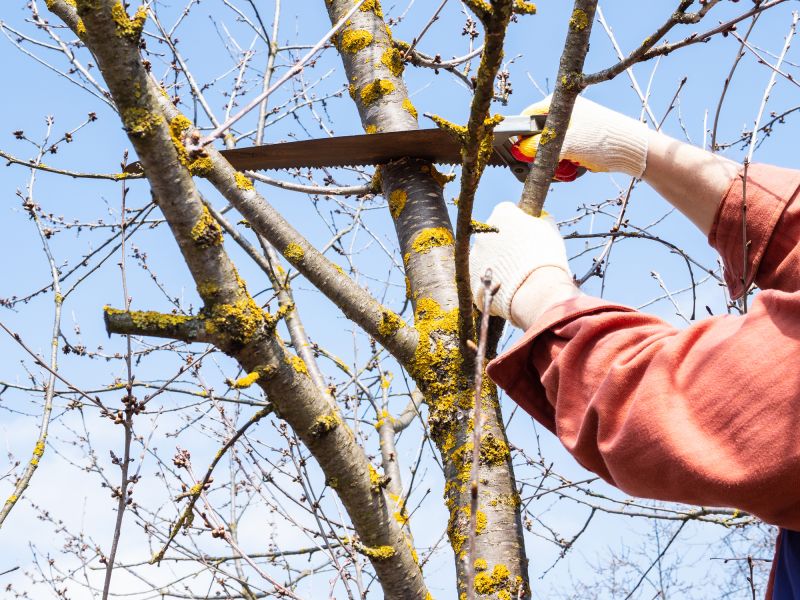
Removing trees as they begin to bud in spring.
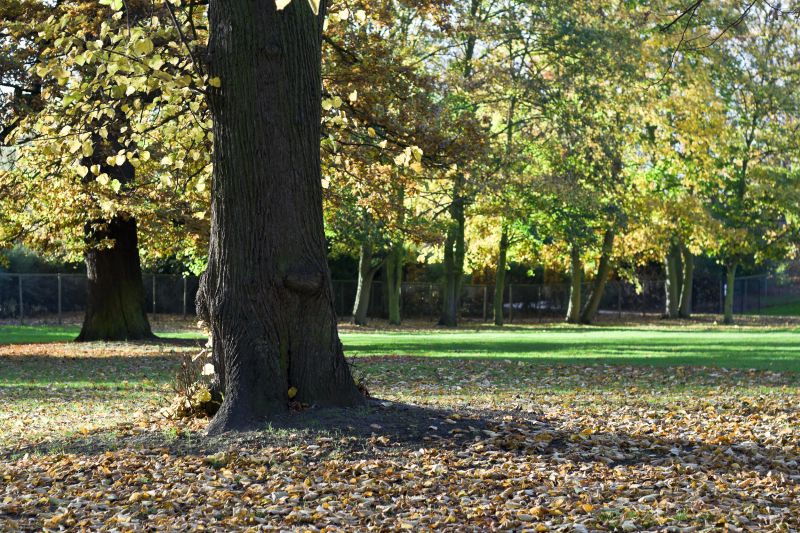
Trees being removed during autumn with colorful leaves.
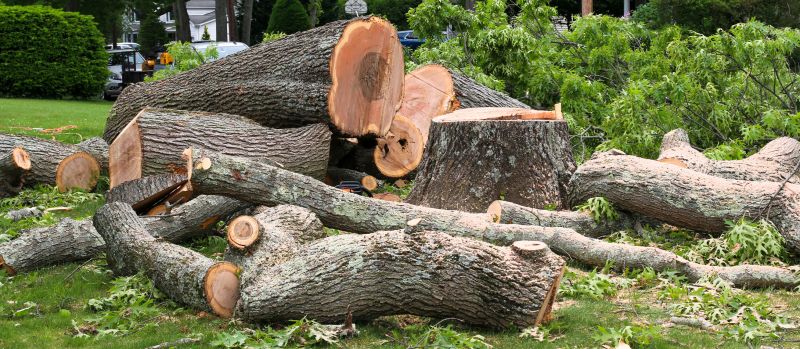
Ways to make Tree Removals work in tight or awkward layouts.
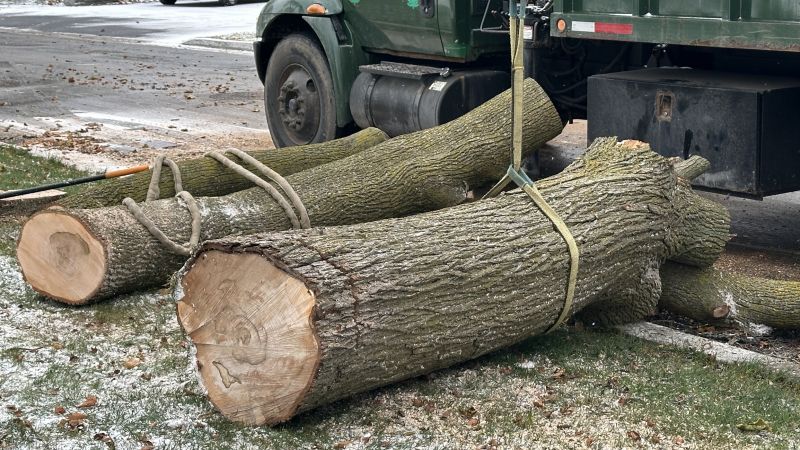
Popular materials for Tree Removals and why they hold up over time.
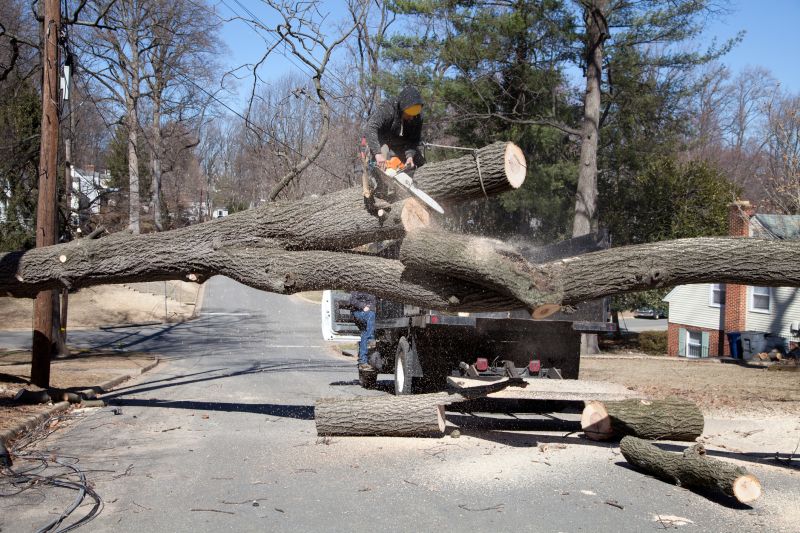
Simple add-ons that improve Tree Removals without blowing the budget.
| Season | Optimal for Tree Removals |
|---|---|
| Winter | Yes, due to dormancy and easier access |
| Spring | Moderate, before active growth |
| Summer | Less ideal, higher stress on trees |
| Fall | Good, as trees prepare for dormancy |
| Extreme weather | Avoid during storms or heavy snow |
Tree removals are a critical part of landscape management, ensuring safety and health of the property. Proper timing reduces risks associated with falling branches or trees, especially during storms. Additionally, selecting the right season can influence the ease of removal and recovery time for the landscape. In regions with distinct seasons, late fall and winter are generally preferred for their benefits in minimizing disruption and stress.
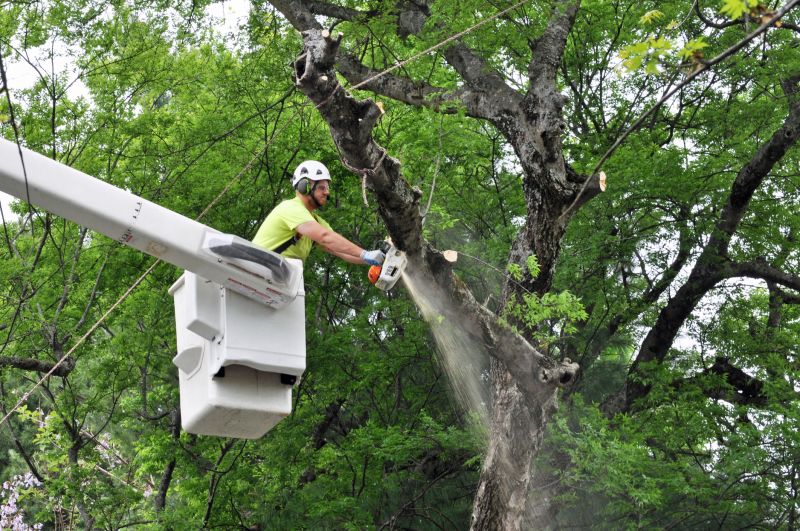
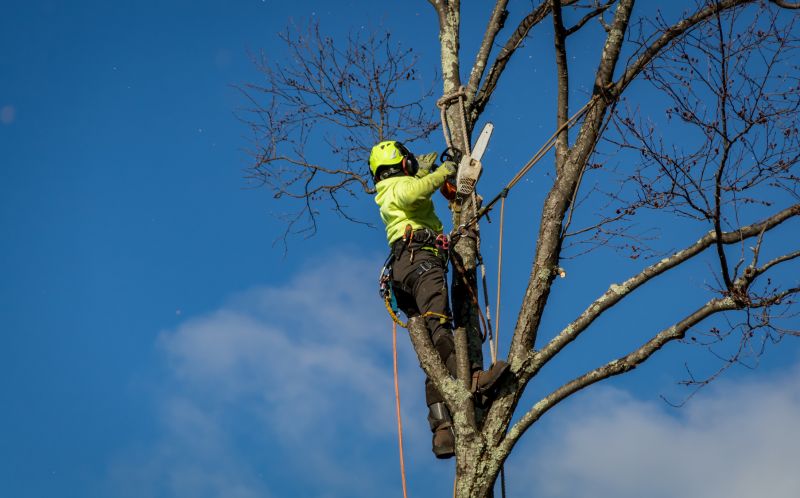
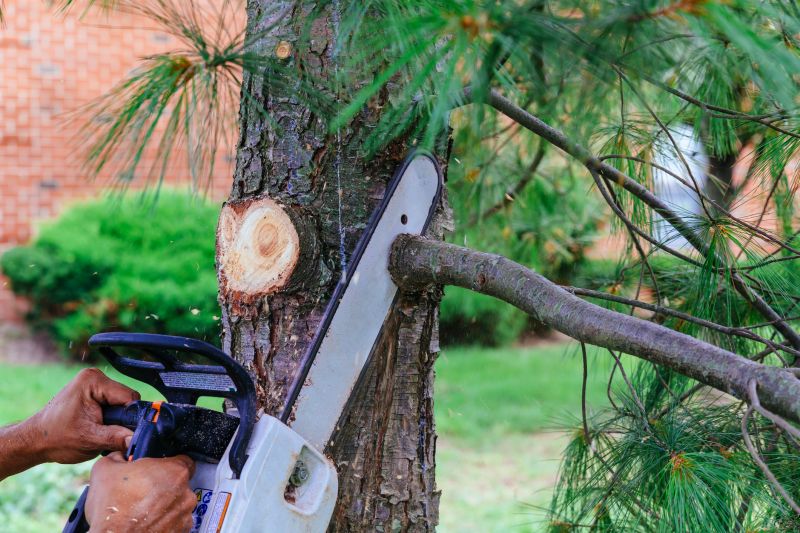
Tools used for safe and efficient tree removal.
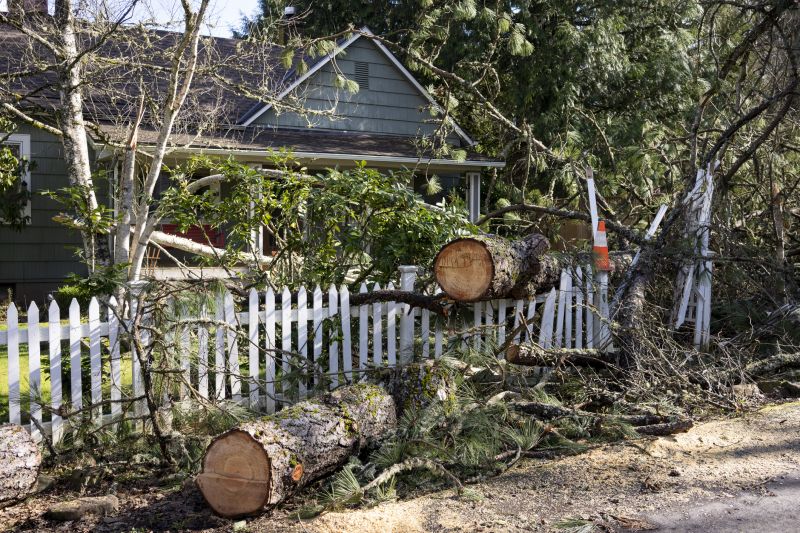
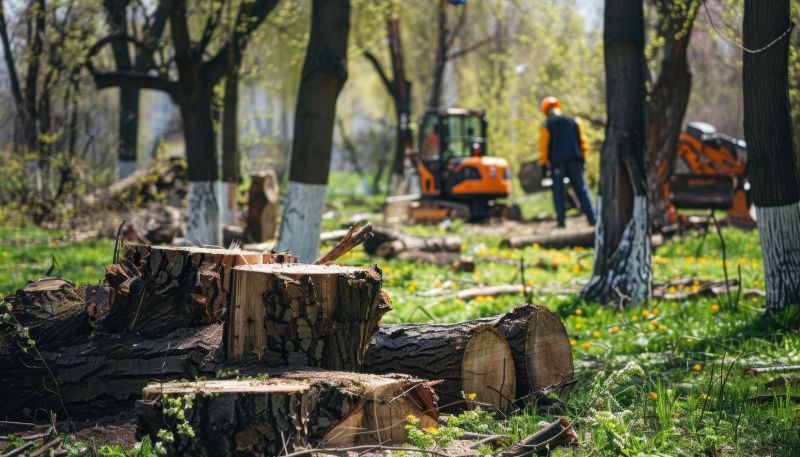
Clearing debris after tree removal.
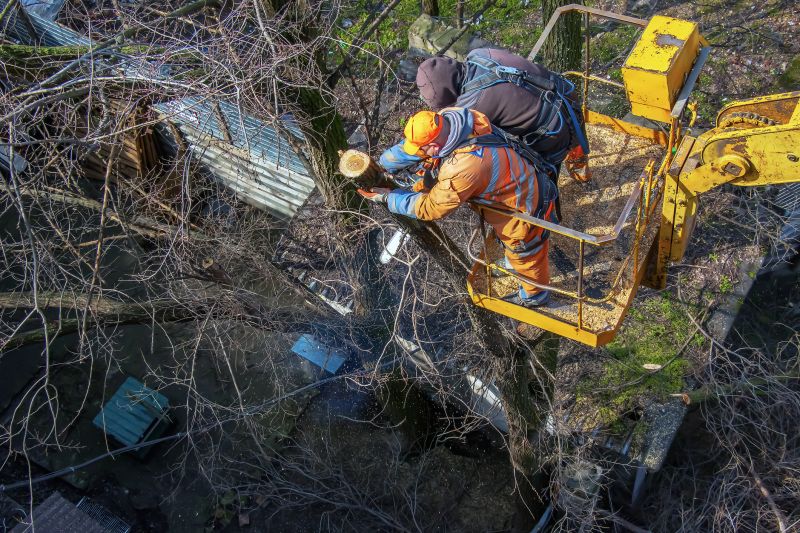
Protective gear and safety measures.
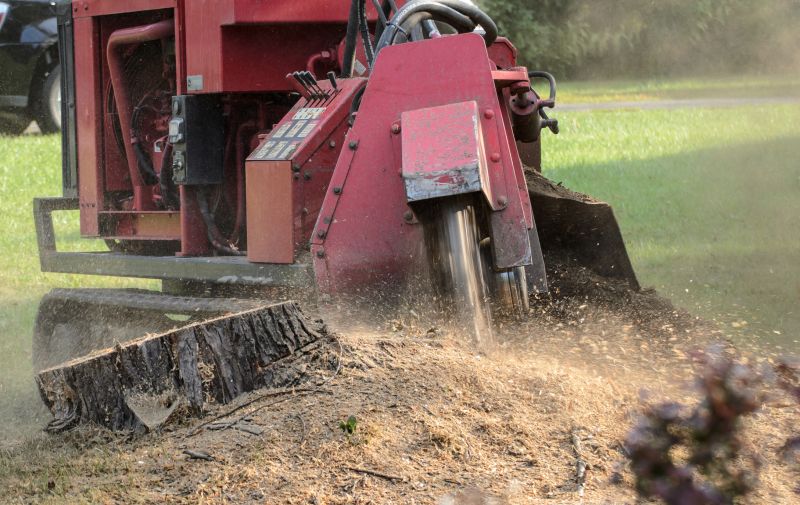
Removing the remaining stump after tree removal.
High-end options that actually feel worth it for Tree Removals.
Finishes and colors that play nicely with Tree Removals.

Little measurements that prevent headaches on Tree Removals day.
A 60-second routine that keeps Tree Removals looking new.
Understanding the best timing for tree removals can help prevent property damage and ensure safety. Consulting with professional arborists can provide tailored advice based on local climate and tree species. Proper planning and execution are essential for maintaining a healthy landscape and avoiding potential hazards.
Interested in scheduling a tree removal? Fill out the contact form to get started.