
Popular Tree Removal Tools Every Arborist Needs for Heavy-Duty Tasks
Discover essential equipment and accessories that help you handle large or difficult trees with confidence and precision.
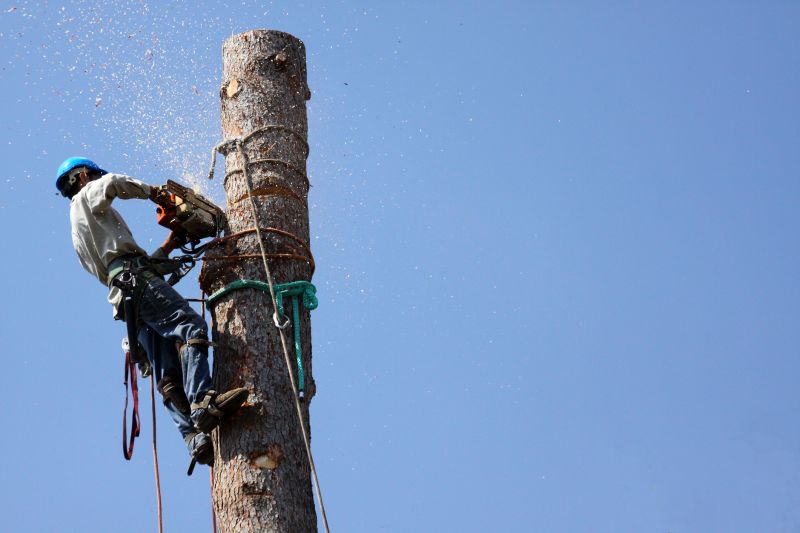 Tree removal is a task that often requires specialized equipment to ensure safety and efficiency. Whether dealing with hazardous limbs, fallen trees, or clearing space for new landscaping, selecting the right tools is essential. The process involves various stages, including assessing the size and location of the tree, choosing appropriate cutting tools, and ensuring proper safety measures are in place. For homeowners and professionals alike in Sandpoint, ID, having reliable products for tree removal can make the task more manageable and safer.
Top Overall Option
Heavy-Duty Gas-Powered Chainsaw
A versatile and robust tool suitable for a wide range of tree removal tasks, offering high power and durability. Ideal for larger trees and demanding jobs, this type of chainsaw provides efficient cutting performance while maintaining safety features for user protection.
Types of Products For Tree Removals
Hand Pruning Saws
Compact and easy to handle, ideal for trimming branches and small tree sections.
Pole Pruners
Extendable tools for reaching high branches without the need for ladders.
Chainsaws (Gas and Electric)
Powerful cutting tools suitable for larger trees and heavy-duty removal work.
Reciprocating Saws
Versatile saws capable of cutting through wood and branches in tight spots.
Tree Climbing Gear
Harnesses, ropes, and spikes designed for safe ascent and descent during tree removal.
Wedges and Axes
Manual tools for splitting and controlling fallen trees.
Loppers
Long-handled pruning tools for cutting thicker branches with leverage.
Stump Grinders
Heavy machinery used to grind down remaining tree stumps after removal.
Ropes and Slings
Equipment for securing and controlling the direction of falling trees.
Safety Gear
Protective helmets, gloves, goggles, and ear protection essential for safe operation.
Tree Removal Bots
Automated or remote-controlled devices designed for precise and safe tree cutting.
Cherry Pickers and Aerial Lifts
Equipment for reaching high branches safely during removal.
Bucking and Felling Wedges
Tools to control the direction of falling and assist in cutting large logs.
Debris Bags and Chippers
Accessories for collecting and processing wood debris efficiently.
Popular Choices
Portable and easy to handle, suitable for smaller tree removal tasks.
Ideal for trimming smaller branches and maintaining trees.
Designed for professional arborists to safely ascend large trees.
Extendable saws for cutting high branches from the ground.
Lightweight and convenient for small to medium tasks.
Tools to help guide and control the fall of a tree during cutting.
Aid in controlled tree felling and debris management.
Essential protective gear for safe operation.
Tools for efficient stump grinding and removal.
Equipment for processing branches into mulch on-site.
Provide safe access to high branches for removal tasks.
Reliable ropes for securing and controlling falling trees.
Sets of wedges for splitting large logs or controlling falls.
Support gear for safe climbing and working at heights.
Cordless tools for quick trimming of branches.
Equipment for moving large logs and debris safely.
Different scenarios call for different types of equipment. Small trees or branches might be handled with hand tools, while larger trees may require powered equipment such as chainsaws or even mechanical tree removal devices. Proper training and safety precautions are critical when operating these tools to prevent accidents. Additionally, accessories like protective gear, ropes, and wedges can enhance safety and control during the removal process.
Understanding the range of available products can help users select the most suitable options for their specific needs. From lightweight pruning saws to heavy-duty industrial chainsaws, there are tools designed for various levels of complexity and tree sizes. Investing in quality equipment can lead to smoother operations and better safety outcomes. For residents of Sandpoint, ID, choosing the right tools can facilitate efficient and safe tree removal, whether for personal projects or professional services.
Key Buying Considerations
- Tree size and type: Consider the diameter and species of the tree to select appropriate tools.
- Power source: Decide between gas, electric, or battery-powered equipment based on mobility and power needs.
- Safety features: Look for safety guards, automatic shutoff, and ergonomic designs to enhance safety.
- Ease of use: Choose tools that match your experience level and physical ability.
- Durability: Invest in well-constructed equipment that can withstand frequent use.
- Portability: Consider weight and size for ease of transport and maneuverability.
- Accessories compatibility: Ensure availability of compatible attachments and accessories for versatility.
- Budget: Balance features and quality within your budget constraints.
- Maintenance requirements: Opt for tools that are easy to maintain and service.
- Local regulations: Be aware of any local laws or guidelines related to tree removal equipment.
- Environmental conditions: Consider weather resistance if working in outdoor or variable conditions.
- Noise levels: Be mindful of noise restrictions in your area, especially for powered tools.
- Storage: Ensure adequate space for storing equipment safely when not in use.
- Training: Consider whether additional training or safety courses are needed for complex tools.